Water is one of the most persistent threats a home can face. It doesn’t always arrive as a dramatic flood. More often, it creeps in slowly through a damp basement wall, a worn spot on the roof, or humid indoor air that never quite dries out. Left unchecked, that moisture can damage building materials, ruin belongings, and create the perfect conditions for mold. The good news is that most moisture problems can be prevented or fixed when you know where to look. Here’s how to protect your home from the bottom up and the top down.
Start at the Bottom: Damp Basements
Basements sit below ground level, surrounded by soil that holds water after rain and snowmelt. That makes them especially prone to moisture problems. According to The Spruce, about 60% of homes in the U.S. deal with wet basement issues, and 38% are at risk of developing significant basement mold.
Common signs of a damp basement include musty odors, water stains on walls or floors, white chalky deposits on concrete, peeling paint, and condensation on pipes. Even if you don’t see standing water, these clues often point to moisture seeping in through cracks or coming from humid air.
Address the source first. Make sure gutters are clear and downspouts direct water several feet away from your foundation, and check that the soil around your home slopes away from the walls. Seal visible cracks in foundation walls and floors. For persistent problems, a sump pump, interior drainage system, or professional waterproofing may be needed to keep the space dry.
Look Up: Leaks From the Roof
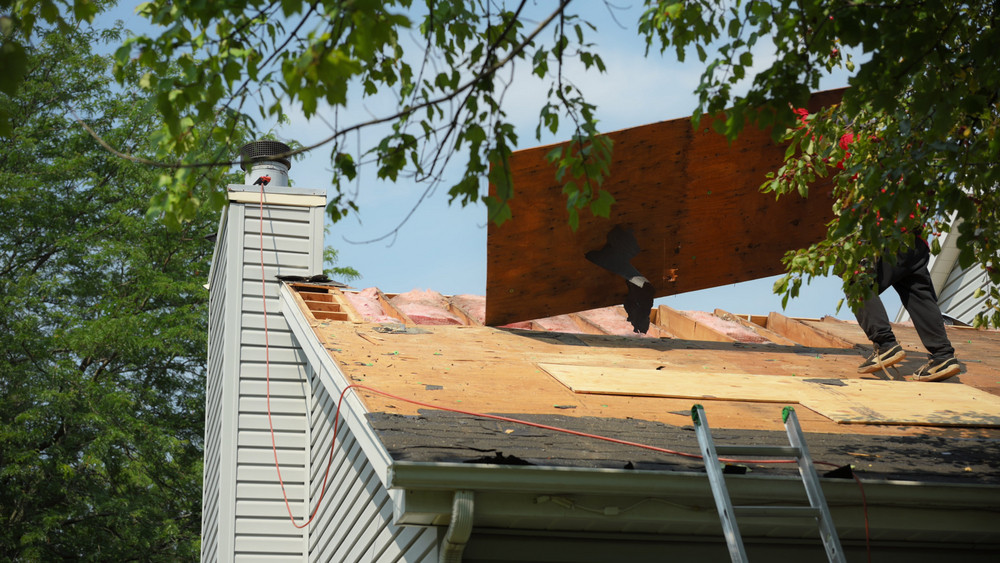
While basements battle water from the ground, roofs take on rain, snow, and ice from above. Over time, damaged shingles, worn flashing, and failing seals around chimneys, vents, and skylights can let water slip inside. RubyHome reports that 33% of homeowners replace their roofs because of leaks.
Roof leaks aren’t always obvious right away. Water can travel along rafters and insulation before showing up as a stain on the ceiling far from where it entered. By then, insulation may be soaked, wood may be rotting, and mold may already be growing in the attic.
Inspect your roof and attic regularly, especially after heavy storms. Look for missing or curling shingles, damaged flashing, damp insulation, and daylight peeking through the roof boards. Clean your gutters so water can drain properly, and call a professional roofer if you spot damage. Fixing a small leak quickly is far easier and less disruptive than repairing widespread water damage.
Control the Air: Humidity and Mold
Not all moisture problems come from leaks. Everyday activities like cooking, showering, drying clothes, and even breathing release moisture into the air. In homes with poor ventilation, that humidity can build up and settle on cool surfaces like walls, windows, and corners.
That’s when mold can take hold. According to Fixr, mold colonies can begin to form once indoor humidity rises above 45%. Mold often appears as black, green, or white spots and may trigger allergies or breathing problems for some people.
An inexpensive hygrometer can help you track humidity levels throughout your home. Run exhaust fans in bathrooms and kitchens, use a dehumidifier in damp areas like basements, and keep air circulating with fans or open windows when weather allows. If mold covers a large area, consider hiring a professional to remove it safely and address the cause.
Keeping Your Home Dry and Healthy
Moisture problems are common, but they don’t have to take over your home. By keeping water out of the basement, catching roof leaks early, and controlling indoor humidity, you can protect your home’s structure, preserve your belongings, and create a healthier living environment.