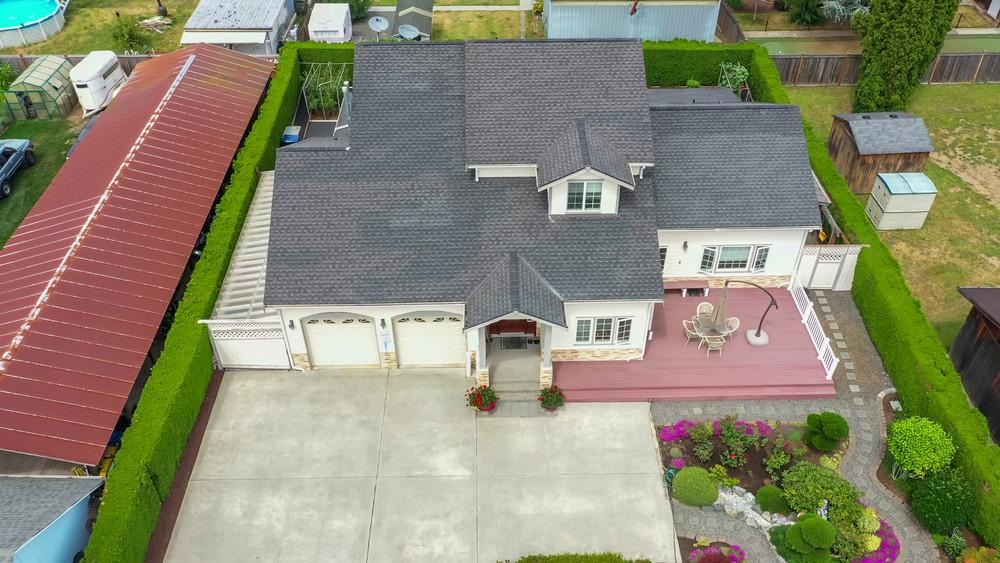
When it comes to choosing the right material for your home’s driveway, it’s important to weigh your options carefully. Two popular choices among homeowners are asphalt and paver driveways. Each has its own set of advantages in terms of longevity and maintenance, making the choice a critical one for a home’s value and aesthetic appeal.
The longevity of a driveway can greatly affect not only the overall appearance of a home but also the long-term maintenance costs. Homeowners often debate whether to opt for the traditional asphalt or delve into the world of pavers. This comprehensive comparison will delve into the lifespan and care requirements of both options.
While both materials offer unique benefits, understanding their differences can significantly impact your home’s curb appeal and your yearly maintenance budget. Below, we unravel the complexities of each driveway choice to better guide your home improvement decisions.
Longevity of Asphalt Driveways
Asphalt driveways are known for their relatively lower initial cost and ease of installation. However, their lifespan can vary depending on several factors, including climatic conditions and usage. According to Bob Vila, an influential online home improvement resource, a key to the durability of asphalt driveways is ensuring they are at least two inches deep.
This type of driveway generally offers a lifespan of about 20 years when properly maintained. Climate plays a significant role in its durability; in regions with severe weather, the material is prone to more rapid deterioration. Regular maintenance is vital, ensuring that the driveway remains in good condition and extends its lifespan to the fullest.
The simplicity of asphalt compared to pavers can be advantageous but comes with the caveat of more frequent maintenance. Homeowners must factor in the costs and time associated with resealing, repairing cracks, and other upkeep tasks. Despite these requirements, an asphalt driveway can sustain its longevity and function well with proper care.
Maintenance of Asphalt Driveways
Maintenance is a crucial aspect of ensuring the longevity of asphalt driveways. According to The Detroit News, resealing an asphalt driveway once every three to five years significantly contributes to its enduring appearance. Resealing protects the driveway from water damage, UV rays, and chemicals that may degrade its surface.
Regular inspections and prompt repair of small cracks can extend the lifespan of the asphalt significantly. Ignoring these minor issues can result in more substantial damage and costly repairs. Hence, homeowners should incorporate regular checks into their home maintenance routine.
Overall, while asphalt driveways require consistent upkeep, they reward homeowners with a sleek and smooth surface for daily use. The maintenance demands are balanced by the material’s affordability and ease of repair, making it a popular choice for many property owners.
Longevity of Paver Driveways
Paver driveways are renowned for their impressive longevity and aesthetic versatility. According to HomeGuide, these driveways can last between 25 and 75 years, with durability influenced by factors such as installation quality and the type of pavers used. This wide lifespan range makes paver driveways particularly appealing to homeowners looking for long-term solutions.
The intricate layout of paver driveways offers not just visual appeal but also resilience to weather changes and heavy loads. Proper installation is critical, ensuring that the base is well-prepared and the pavers are laid out correctly. These attributes contribute to the durability and minimal upkeep required by paver driveways.
In addition to longevity, pavers offer customization options that complement a home’s architectural design. While initial costs might be higher compared to asphalt, the reduced maintenance needs and substantial lifespan can justify the investment over time. This makes paver driveways a valuable addition to any home.
Maintenance of Paver Driveways
Paver driveways stand out for their low maintenance requirements, making them an attractive option for busy homeowners. Regular sweeping and occasional power washing help maintain their pristine appearance, while addressing weeds and moss growth ensures their longevity. This minimal upkeep contrasts with the more frequent maintenance seen with asphalt driveways.
In the rare event of damage, paver driveways offer a significant advantage — individual units can be replaced without disturbing the entire structure. This makes repairs more manageable and less costly than those required for continuous surfaces like asphalt. Additionally, these driveways resist stains and cracks better than many alternative materials.
Overall, the reduced maintenance efforts required by paver driveways, along with their longevity, make them an excellent choice for homeowners focused on sustainable home improvements. By choosing the right type of paver and ensuring adequate installation, homeowners can enjoy long-lasting beauty and functionality.
Choosing between an asphalt and a paver driveway depends largely on a homeowner’s priorities in terms of cost, upkeep, and aesthetics. Asphalt offers a smoother surface and lower initial expenses but requires ongoing maintenance to maximize longevity. In contrast, paver driveways, while pricier initially, provide exceptional longevity with minimal maintenance.
The comparison of these driveway materials highlights the importance of considering both immediate and long-term factors. Each option has its own set of benefits and challenges that can influence a home’s curb appeal and maintenance strategy significantly. Homeowners must assess their specific needs and constraints when making this crucial choice.
Ultimately, both types of driveways can serve as a beautiful and functional entrance to a home. With the right information and care, either choice can enhance the aesthetic value and practicality of your residential property.