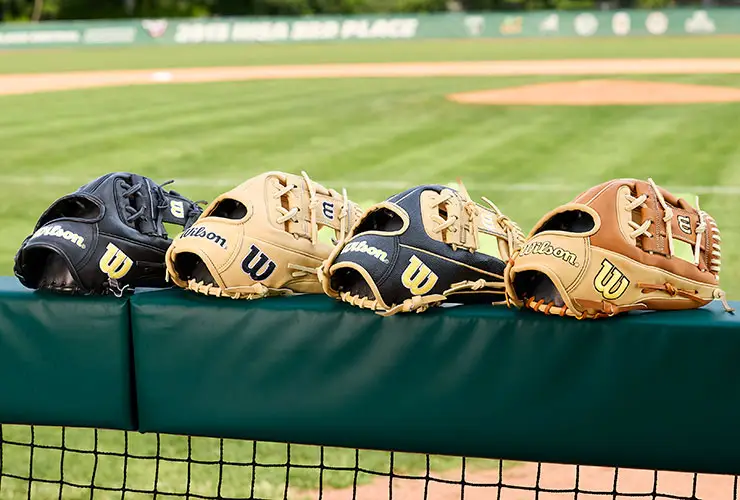
Choosing the right glove is one of the most important equipment decisions a baseball player can make. The best baseball gloves should fit comfortably, match your position, and provide the right combination of control, flexibility, and protection. Since infielders, outfielders, pitchers, catchers, and first basemen have different responsibilities, they also require different glove designs. Understanding glove size, web style, pocket depth, materials, and position-specific features can help you select equipment that supports your performance and makes fielding more comfortable.
Why Your Position Matters
Baseball positions require different types of defensive movements. An infielder may need to quickly field a ground ball and release the ball in a fraction of a second. An outfielder may need a larger glove to track and secure fly balls. Catchers require specialized mitts designed to receive high-speed pitches.
Because of these differences, there is no single glove that is ideal for every position. Choosing a glove designed around your role can make fielding feel more natural and help you develop better defensive habits.
Choosing an Infield Glove
Infielders typically need a glove that supports quick transfers and precise ball handling. Ground balls can arrive quickly, and players often need to move the ball from glove to throwing hand rapidly.
Many infield gloves are smaller than typical outfield gloves. A smaller profile can make the glove easier to maneuver when fielding grounders and turning double plays.
A shallow or moderate pocket can also help with quick ball retrieval. Web styles vary, so consider a design that provides visibility and control while fitting comfortably around your hand.
Selecting an Outfield Glove
Outfielders generally have different priorities. They often need to catch fly balls and line drives while covering significant distances.
Outfield gloves are usually larger than infield models. The additional length can provide more reach and a larger catching area.
A deeper pocket can also help secure the ball when making catches on the run. When choosing an outfield glove, consider its weight as well. A glove that is excessively heavy may become uncomfortable during long games.
Understanding Catcher’s Mitts
Catchers require specialized equipment because they receive pitches repeatedly throughout a game. A catcher’s mitt differs from a standard baseball glove because it does not have individual finger openings.
Catchers’ mitts typically feature a rounded shape and substantial padding designed for receiving pitches.
When selecting a catcher’s mitt, fit is especially important. The mitt should remain secure on the hand while allowing the catcher to make quick adjustments.
Players should also consider the position’s demanding nature and select a mitt appropriate for their age, playing level, and league requirements.
Choosing a First Baseman’s Glove
First basemen have unique defensive responsibilities. They frequently receive throws from infielders and may need to stretch toward the base while keeping contact with the bag.
First baseman’s gloves are designed differently from standard infielder gloves. They generally have a larger catching surface and a longer shape, helping players receive throws more effectively.
The glove should still feel comfortable and provide enough control to secure difficult throws. Consider the glove’s shape, pocket, and flexibility when comparing different options.
Pitcher’s Glove Considerations
Pitchers need a glove that provides reliable catching ability while also allowing them to conceal the ball during their delivery.
Pitcher’s gloves often feature closed web designs. This can make it more difficult for opposing players to see the ball inside the glove.
Size and comfort are also important. A pitcher needs to be able to comfortably catch balls during defensive plays without the glove interfering with normal pitching mechanics.
Understand Glove Size
Glove size is one of the most important specifications to consider. The appropriate size depends on your position, age, hand size, and playing level.
Infield gloves are often smaller, while outfield gloves tend to be larger. Catchers and first basemen use specialized sizes and shapes.
Age-based recommendations can provide a useful starting point for younger players, but personal comfort is equally important. A glove should fit securely without feeling excessively tight or loose.
Consider Web Style
The web is the section between the thumb and fingers that forms the upper portion of the glove. Different web designs can affect visibility, flexibility, and pocket structure.
Open-web designs can provide more visibility, while closed webs may offer additional concealment. Some players also prefer specific web patterns because of their feel or appearance.
Your position should influence your web choice, but comfort and personal preference should also be considered.
Pay Attention to Glove Material
Leather is one of the most common materials used for baseball gloves. Different types of leather can vary in softness, durability, weight, and price.
Higher-quality leather may require a longer break-in period but can provide a strong combination of structure and durability. Softer materials may feel ready to use more quickly.
Synthetic gloves can also be suitable for younger players or beginners because they are often lighter and easier to break in.
Consider how frequently you play and how much you are willing to invest in equipment.
Fit and Comfort Are Essential
Even a high-quality glove will not perform well if it does not fit properly. Your fingers should reach comfortably into the finger stalls, and the glove should stay secure when you move your hand.
Try the glove on before purchasing if possible. Open and close it several times and check whether you can comfortably control the pocket.
A proper fit can improve confidence and make it easier to focus on the ball rather than adjusting your equipment.
Think About Your Playing Level
Your experience level should also influence your glove choice. Beginners may want a lightweight glove that is easy to control and break in.
Intermediate and advanced players may have more specific preferences based on their position and defensive style.
Young players can also outgrow gloves relatively quickly, so consider future growth when selecting equipment without choosing a glove that is too large to control.
Break In Your Glove Properly
New leather gloves can be stiff. Breaking in the glove gradually helps create a pocket that matches your hand and catching style.
Use the glove regularly during practice and catch balls with it to help shape the pocket naturally. Follow the manufacturer’s recommendations regarding conditioning products and storage.
Avoid using excessive heat or improper methods that could damage the leather. A gradual break-in process can help preserve the glove’s structure and durability.
Maintain Your Glove
Proper maintenance can extend the life of your glove. Keep it clean, store it in a dry environment, and avoid leaving it exposed to excessive moisture.
When the glove is not being used, storing it with a ball in the pocket can help maintain its shape. Leather gloves may also require occasional conditioning, but always follow the manufacturer’s instructions.
Regular care can keep the glove comfortable and ready for practices and games.
Conclusion
Choosing the right baseball glove starts with understanding your position and defensive responsibilities. Infielders often benefit from smaller, maneuverable gloves, while outfielders typically need larger designs with deeper pockets. Catchers and first basemen require specialized equipment, and pitchers often prioritize comfortable gloves with suitable web designs. Beyond position, consider size, fit, material, web style, break-in requirements, and maintenance. By selecting a glove that matches your playing needs and feels comfortable on your hand, you can improve your confidence and enjoy a more controlled defensive experience on the baseball field.