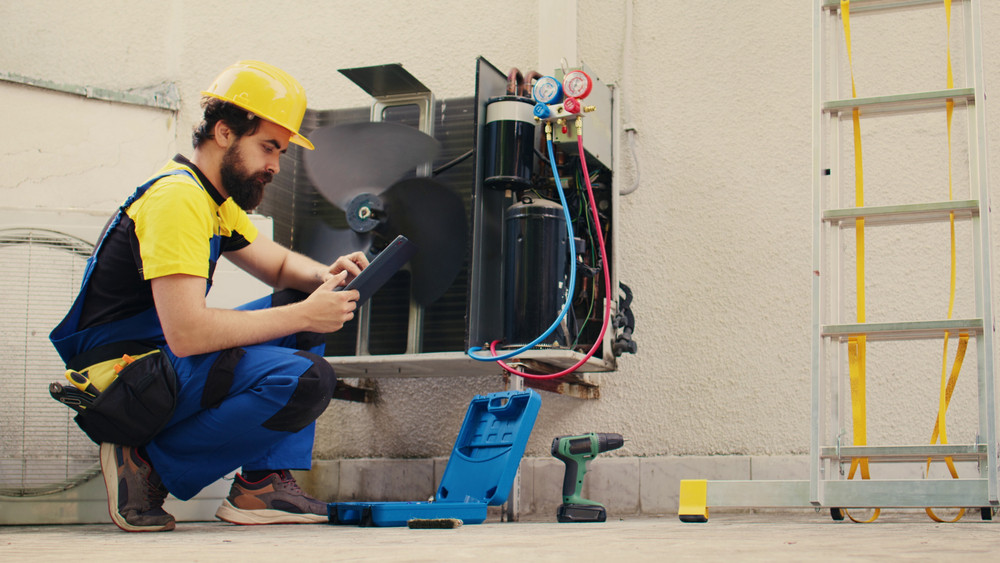
As temperatures fluctuate throughout the year, it’s a good reminder of the vital role that HVAC systems play in maintaining a comfortable environment in our homes and workplaces. Unfortunately, like any mechanical system, HVAC units require regular attention to ensure they’re operating effectively. This article delves into the benefits of maintaining your HVAC system, pertinent changes in industry regulations, and how you can proactively manage your system’s efficiency.
Understanding the Importance of Regular Maintenance
Regular maintenance of your HVAC system is crucial to ensure its efficiency and reliability. A well-maintained system not only ensures comfort but also extends the lifespan of your unit. According to a survey highlighted by ACHR News, 30% of Americans regularly schedule preventive maintenance for their HVAC systems. This proactive approach can often preempt major breakdowns and costly repairs.
The importance of preventative care cannot be overstated, given that HVAC systems, like any machinery, suffer from wear and tear with time. By scheduling routine check-ups, homeowners can identify minor issues before they escalate into bigger problems. Regular maintenance includes cleaning filters, lubricating parts, and ensuring electrical connections are secure.
A well-maintained HVAC system also operates more efficiently, saving on energy costs. When a system is inefficient, it requires more power to maintain the desired temperature, significantly increasing utility bills. Thus, routine maintenance not only safeguards comfort but also results in long-term financial savings. HVAC experts often emphasize that proactive maintenance is better than reactive solutions.
Navigating Regulatory Changes and New Standards
In an effort to address environmental concerns, there are ongoing changes to HVAC system standards. An essential reference is the American Innovation and Manufacturing (AIM) Act. This legislation mandates the Environmental Protection Agency (EPA) to reduce the production and consumption of hydrofluorocarbons (HFCs) by 85% by 2036. The Act also signifies a shift toward newer, eco-friendly refrigerants starting January 1, 2025, for all new residential and light commercial HVAC systems.
This transition toward lower Global Warming Potential (GWP) refrigerants is significant, as it aims to mitigate the harmful effects that traditional HVAC systems have on the environment. Consumers and businesses need to be aware of these changes, as they may influence the type of systems they install or repair. Transition periods like these sometimes create challenges; however, they also foster technological innovation and improvements in HVAC efficiency.
Knowing about these regulatory shifts helps consumers make informed decisions, especially if they’re considering purchasing new units or getting repairs. By aligning with these standards, customers can also contribute positively to global environmental efforts. It’s essential for homeowners and commercial businesses to collaborate with HVAC technicians aware of these changes to ensure compliance and receive expert guidance.
Proactive Strategies to Optimize Your HVAC System
To optimize your HVAC system, it’s essential to blend routine maintenance with strategic upgrades. According to FieldBoss, almost half, or 49%, of recent HVAC service calls were for regular maintenance rather than repairs for system breakdowns, which accounted for 32%. This statistic underscores the value of preventative measures over reactive fixes.
One proactive strategy is to invest in smart thermostats, which provide greater control over your HVAC system. These devices learn your schedule and preferences over time, offering energy savings by reducing unnecessary heating or cooling. Additionally, they can send you alerts when maintenance is due, ensuring you’re never caught off guard by an unexpected breakdown.
Another tip is to regularly replace air filters. Dirty filters can hinder airflow, forcing your system to work harder, which can accelerate wear and tear. This simple adjustment not only extends the lifespan of your system but can also result in up to 15% savings on energy bills. Engaging HVAC professionals for periodic assessments ensures that your system operates at peak efficiency.
An HVAC system is a significant investment, and ensuring its optimal performance requires a blend of regular upkeep, awareness of regulatory shifts, and strategic enhancements. By staying informed and taking a proactive approach, you can not only extend the life of your system but also contribute to environmental efforts. With changes in industry standards and the emphasis on preventative maintenance, now is the perfect time to assess and optimize how your HVAC system operates.