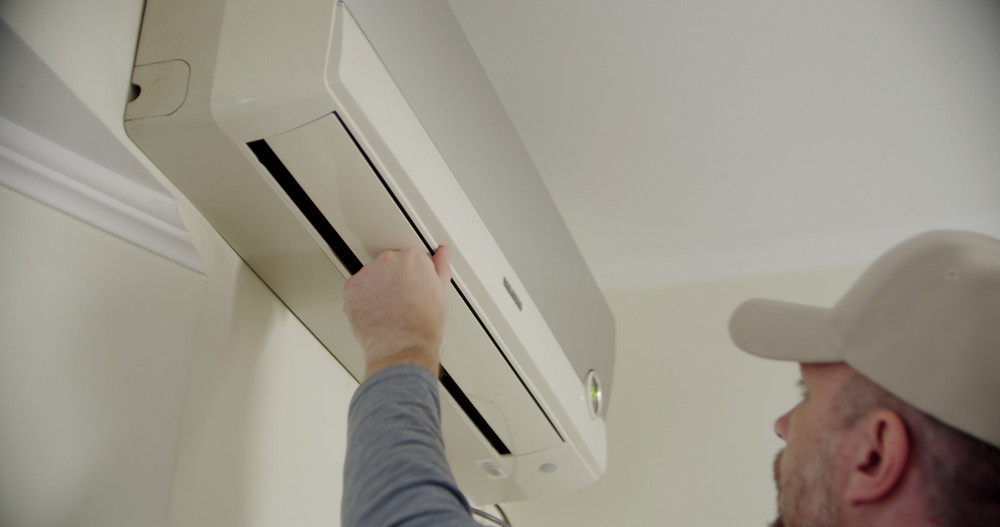
Summer heat is relentless, and for most American households, the air conditioner is the first line of defense. But that cool comfort comes at a cost, and for many homeowners, that cost is higher than it needs to be. An inefficient, neglected, or aging AC system doesn’t just struggle to keep up with the heat; it quietly drains your wallet month after month. Understanding why your energy bills spike and what you can do about it could save you hundreds of dollars every year. The good news is that most of the fixes are simpler than you might think.
America’s Most Essential and Most Expensive Home System
Air conditioning has become a fixture of modern American life. According to the U.S. Department of Energy, 75% of homes in the United States rely on air conditioning to stay comfortable through the warmer months. That’s a staggering number, and it means that, for three out of four households, the AC unit is one of the biggest energy consumers in the home.
Cooling accounts for a significant share of the average home’s total energy use, and that share climbs sharply when a system isn’t operating at peak efficiency. Dirty filters, blocked vents, low refrigerant levels, and aging components all force the unit to work harder than necessary to achieve the same result. The harder it works, the more electricity it consumes and the higher your monthly bill climbs. Before assuming your energy costs are simply the price of staying cool, it’s worth asking whether your system is working as efficiently as it should.
The Hidden Connection Between Neglect and Repair Bills
There’s a reason AC units top the list of home system breakdowns. According to industry research, air conditioning systems are responsible for approximately 54% of all HVAC repair service calls, making them the single most serviced component in the entire heating and cooling category. That number reflects a pattern seen repeatedly by technicians: systems that are ignored between seasons are far more likely to fail when they’re needed most.
The relationship between neglect and expense is straightforward. When minor issues go unaddressed, a worn belt, a clogged drain line, a failing capacitor, they compound over time into major repairs. A service call that might have cost a modest fee in the spring can turn into a full system replacement by August if the warning signs are missed. Beyond the repair bills themselves, a system struggling with underlying issues will consume dramatically more energy just to maintain your set temperature, adding invisible costs to every monthly utility statement.
Routine inspections aren’t just about preventing breakdowns. They’re about ensuring your system runs lean and efficiently, delivering the cooling you pay for without unnecessary waste.
The Twice-a-Year Rule That Most Homeowners Skip
The single most effective thing a homeowner can do to protect both their comfort and their energy costs is also one of the most commonly overlooked. According to Today’s Homeowner, most HVAC professionals recommend having air conditioners professionally serviced twice a year, typically once in the spring before cooling season begins, and once in the fall as the system winds down.
Despite this guidance, many homeowners service their AC far less frequently, often waiting until something goes wrong before calling a technician. This reactive approach almost always costs more in the long run. A professional tune-up typically includes cleaning the coils, checking refrigerant levels, inspecting electrical components, testing airflow, and calibrating the thermostat, all tasks that directly affect how efficiently the system runs.
Beyond professional servicing, homeowners can take steps between visits to maintain high efficiency: changing air filters every 1 to 3 months, keeping the area around the outdoor unit clear of debris, sealing any duct leaks, and using a programmable thermostat to avoid cooling an empty home. These habits, combined with consistent professional maintenance, can meaningfully reduce both your repair frequency and your monthly energy costs.
The Path to Lower Energy Bills
Your air conditioner is one of the hardest-working systems in your home and one of the most expensive to run poorly. The combination of widespread reliance on cooling, frequent system breakdowns, and under-maintenance creates a costly cycle that many homeowners don’t realize they’re caught in. Breaking that cycle doesn’t require a new system or a major investment. It requires consistency: regular filter changes, twice-yearly professional service, and attention to the small signs that something may be off.
An air conditioner that’s properly maintained doesn’t just run cooler, it runs smarter, using less energy to deliver the same comfort. That’s a difference you’ll feel in your home and see on your bill every single month.