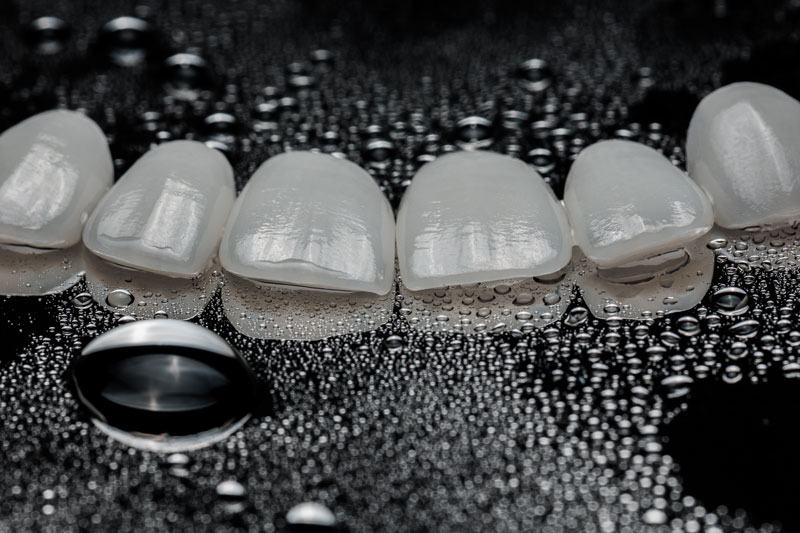
Your smile tells people how you feel before you say a word. When a crown or veneer looks fake, you feel exposed. The shape might be right, yet something about the tooth looks flat or cloudy. That is where texture and translucency matter. Real teeth are not one solid color. Light passes through the edges. Tiny ridges catch shadows. Small flaws create a natural look. Ceramic restorations can copy these features with great accuracy. They can reflect light like enamel. They can show gentle surface lines that match nearby teeth. As a result, your new tooth blends in. You can talk, laugh, and eat without second thoughts. If you work with a skilled ceramic lab and a careful dentist in Toledo oh, your restoration can look and feel like a real tooth, not a prop.
How Real Teeth Play With Light
To understand what looks real, you first need to see how natural teeth act under light. A tooth has three main layers. Each one handles light in a different way.
- Enamel. Hard outer shell that is glass-like. Light passes through it.
- Dentin. The inner layer that has more color. It gives the tooth its main shade.
- Pulp. Soft center that you cannot see, yet it affects how the tooth feels.
When light hits a healthy tooth, some light reflects off the surface. Some light passes through the enamel and bounces off the dentin. That mix of reflection and soft glow gives teeth a living look. A fake-looking crown often blocks light. It looks flat and dead.
Why Texture Matters So Much
Texture is the tiny pattern on the surface of the tooth. When you run your tongue along your front teeth, you feel slight ridges. You also feel smooth spots. That mix breaks up light and creates gentle shadows.
Real teeth often show
- Fine vertical lines
- Small pits near the gum line
- Softer edges on the biting surface
A crown that is too smooth reflects light in one strong glare. It looks like plastic. A crown with thoughtful texture scatters light. It matches the neighboring teeth. The goal is not a perfect surface. The goal is a believable surface.
What Translucency Does For Your Smile
Translucency is the way light passes through a tooth without being clear like glass. Natural enamel is translucent. The edges of your front teeth often look lighter and more glassy. That is because there is less dentin in that spot. More light passes through.
When a ceramic crown copies this effect, the edge near the biting surface lets light through. The center looks more solid. The part near the gum looks slightly deeper in color. This shift tricks the eye. Your brain reads it as a real tooth, not a cap.
Too much translucency can show dark metal posts or stains. Too little translucency looks chalky. Your dentist aims for a middle point that fits your mouth and your gum color.
Ceramic Types And How Real They Look
Different ceramic materials have different looks. Each one balances strength and a natural look in a different way.
| Material | Typical Use | Translucency | Surface Texture Detail | Common Strength Level |
|---|---|---|---|---|
| Feldspathic porcelain | Front veneers | High | Very fine | Lower |
| Lithium disilicate (often called e.max) | Front and premolar crowns | Medium to high | Fine | Medium to high |
| Layered zirconia | Back and some front crowns | Medium | Good | High |
| Monolithic zirconia | Back crowns, bridges | Low to medium | Moderate | Very high |
This table shows a trend. Materials that look very real often trade some strength. Stronger options can still look natural when the lab manages texture and color well.
Color, Stains, and Small Flaws
Teeth are not one shade of white. They show layers of color.
- The edge can look bluish or gray.
- The center can look warm or yellow.
- The neck near the gum often looks deeper in tone.
Ceramic crowns can include gentle stains and tiny marks to match the nearby teeth. A few light lines or small cloudy spots can make the crown blend in. Your dentist and lab use a shade guide. They also use photos and sometimes a digital scan to copy the pattern of color and texture in your mouth.
The goal is harmony. Your teeth should not all match a paint chip. They should look like a family of teeth that belong to you.
How Dentists And Labs Work Together
A natural-looking crown is a team effort. Your dentist studies your bite, your gum line, and your face. The lab technician studies photos and models. Both need clear notes about
- Shape and size of the tooth
- Surface texture pattern
- Translucent zones and color shifts
Sometimes you try a temporary version. This gives you a chance to see the shape in your mouth. You can speak, smile, and chew. Then you can give feedback about length, shape, or sharp spots. The final ceramic piece builds on that test run.
The American Dental Association offers patient guides on crowns and veneers. These guides explain how visits, impressions, and lab work come together.
How You Can Help Your Restorations Look Real Longer
You play a direct role in how long your ceramic restorations keep their natural look. Three habits matter most.
- Daily care. Brush two times a day with fluoride toothpaste. Clean between teeth once a day.
- Regular checkups. Visit your dentist as advised. The team can smooth rough spots and check edges.
- Protect from force. Wear a night guard if you grind. Use a sports mouthguard during contact sports.
You also protect texture and shine when you avoid using teeth as tools. Do not open packages or bite hard objects. Simple choices keep the surface from chipping and keep the crown from looking worn too soon.
Choosing What Feels Right For You
When you talk with your dentist, focus on three questions.
- How close can this option come to my natural texture and translucency
- How strong does the crown or veneer need to be for this tooth
- How much tooth needs to be shaped for this material
Ask to see photos of cases that match your age and tooth color. Ask the dentist to show the difference between a flat surface and a textured one. When you see both side by side, your choice becomes clear.
Texture and translucency are not small details. They are the core of a real-looking smile. When you understand how teeth use light and surface detail, you can ask sharper questions and make choices that feel honest to you. Your restored tooth can look like it has always been part of your smile.