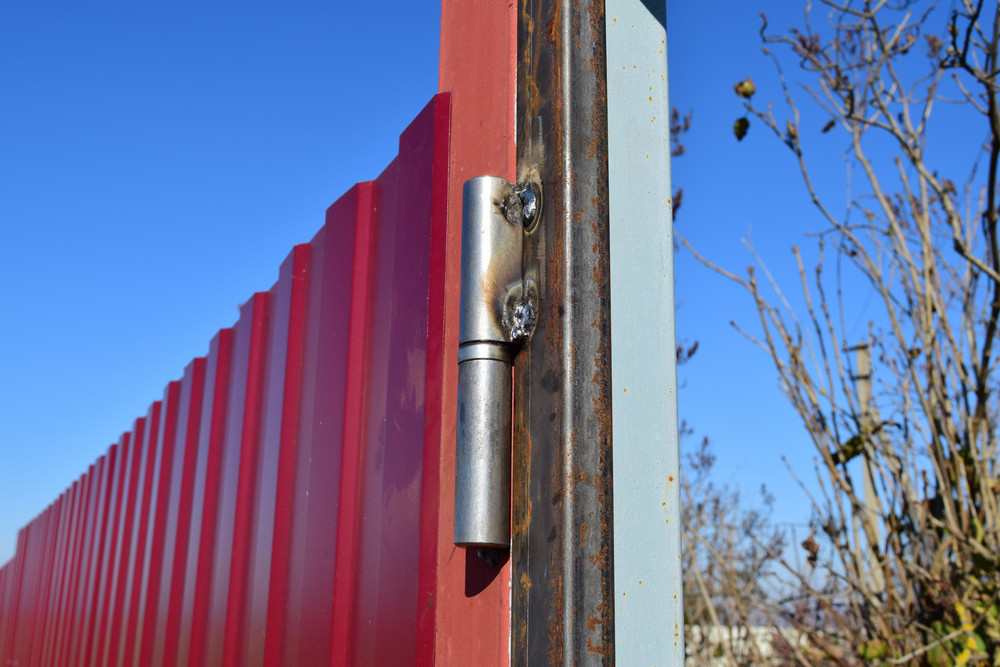
In today’s connected world, privacy at home is more valuable than ever. Whether you live in a busy neighborhood or a growing suburban community, smart home improvements can help create a more secluded, secure environment. From strategic landscaping to durable fencing, thoughtful upgrades not only protect your personal space but can also enhance property value. By investing in privacy-focused improvements, homeowners can enjoy greater comfort while strengthening their home’s long-term appeal.
Why Fencing Remains a Top Privacy Upgrade
When homeowners consider ways to increase privacy, fencing consistently ranks near the top. In fact, research cited by Houston Agent Magazine found that 26% of homeowners installed a fence specifically to boost privacy, while tree planting followed closely at 34%. Although landscaping offers natural screening, fences provide an immediate and reliable barrier.
Unlike trees or shrubs that may take years to mature, a fence creates instant separation from neighbors and passersby. Solid panel designs block sightlines, making outdoor spaces feel more intimate and secure. This is particularly valuable for homes with patios, pools, or play areas where families want uninterrupted relaxation.
Fencing also provides consistency. While foliage can thin seasonally or require significant upkeep, a well-built fence maintains its structure year-round. Homeowners can choose from wood, vinyl, composite, or metal materials to match their design preferences and maintenance expectations.
Beyond visual privacy, fencing reduces noise and limits unwanted access. Together, these benefits create a more peaceful home environment. For many homeowners, installing a fence is one of the most direct and effective ways to establish personal boundaries while enhancing outdoor usability.
Understanding the Lifespan of Wooden Fences
Wood remains one of the most popular fencing materials due to its natural appearance and versatility. However, longevity is an important factor when planning a privacy upgrade. According to Forbes, a typical wooden fence endures for approximately 15 to 20 years on average. That timeframe makes wood fencing a solid medium-term investment for homeowners.
Several factors influence how long a wooden fence will last. Climate, maintenance habits, and the type of wood all play critical roles. Regular sealing, staining, or painting can help protect against moisture damage, insect activity, and warping. Routine inspections also allow homeowners to address small issues—such as loose boards or minor rot—before they become costly repairs.
While wood may require more upkeep than vinyl or metal alternatives, many homeowners appreciate its customizable aesthetic. It can be painted in various colors, stained to highlight natural grain, or designed with decorative elements. With proper care, a wooden fence can provide reliable privacy for up to two decades, making it a practical option for those seeking both function and charm.
When evaluating privacy improvements, understanding expected lifespan helps homeowners balance cost, maintenance, and long-term goals.
Privacy Improvements That Add Measurable Value
Beyond comfort and seclusion, privacy upgrades can contribute to a home’s resale value. Rehab Financial Group reports that a properly maintained fence may increase a property’s value by anywhere from $1,500 to $5,000, depending on the material and style selected. This potential gain highlights fencing as more than just a functional addition—it can also be a financial asset.
Buyers often view privacy features as desirable, especially in neighborhoods where homes are closely spaced. A fenced yard can be particularly attractive to families with pets or children, offering both security and peace of mind. Even for buyers without immediate privacy concerns, a well-maintained fence signals thoughtful homeownership and care.
To maximize value, homeowners should choose materials that complement the home’s architecture and comply with local regulations. Proper installation is equally important; uneven posts or poor craftsmanship can detract from curb appeal and limit the potential return.
Other smart privacy improvements—such as installing frosted window film, upgrading window treatments, or adding outdoor lighting—can further enhance a home’s sense of security. When combined with fencing, these upgrades create a comprehensive privacy strategy that improves both daily living and long-term investment potential.