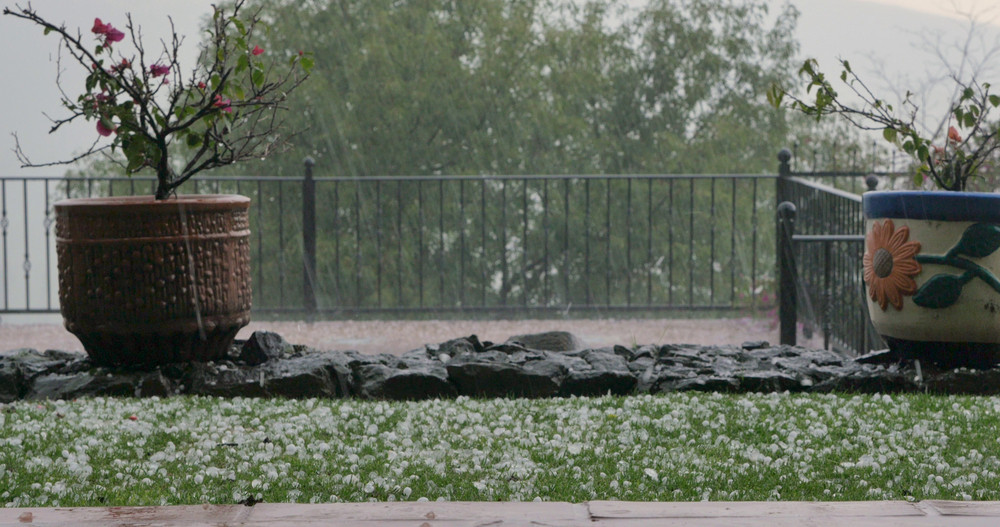
As extreme weather becomes more frequent and costly, homeowners and buyers alike are paying closer attention to how well a property can withstand the elements. Among the most damaging and often underestimated threats is hail. In 2026, hail-proofing a home is no longer just a preventative upgrade; it’s a strategic investment that can protect property value, reduce insurance risk, and make a home more appealing in competitive real estate markets. Understanding why hail protection matters now can help buyers and homeowners make smarter, future-focused decisions.
The Growing Frequency of Hail Events Across the U.S.
Hailstorms are no longer rare, isolated incidents. They are happening across more regions and with increasing regularity. Data from Roofer’s Guild shows that the United States experienced more than 6,900 hail storms, highlighting how widespread this hazard has become. That volume of events means millions of homes are exposed each year, often multiple times over the life of a property.
For homeowners, this trend raises serious concerns about long-term durability. Roofs, siding, windows, and outdoor features can all suffer repeated impacts, leading to cumulative damage that isn’t always obvious right away. Even smaller hail can weaken roofing materials over time, shortening their lifespan and increasing the likelihood of costly repairs.
From a real estate perspective, buyers are becoming more aware of these risks. Properties that already incorporate hail-resistant materials, such as impact-rated shingles, metal roofing, or reinforced skylights, stand out as more resilient options. In regions with severe weather, this kind of preparation can be a deciding factor during the buying process, especially as climate patterns continue to shift.
Larger Hail Means Higher Repair Costs
It’s not just the frequency of hailstorms that’s concerning; it’s the size of the hail itself. According to AccuWeather, as of May 5, 2025, the Storm Prediction Center recorded 332 storm spotter reports of hail exceeding 2 inches in diameter across the United States. Hail of this size can cause immediate, visible destruction, including punctured roofs, cracked siding, shattered windows, and damaged vehicles.
When hail reaches this scale, repairs are rarely minor. A single storm can trigger roof replacements, structural fixes, and interior water damage if the building envelope is compromised. These repairs can easily run into the tens of thousands of dollars, creating unexpected financial strain for homeowners and complicating real estate transactions if damage occurs near a sale.
Hail-proofing measures help reduce this exposure. Impact-resistant roofing materials are tested to withstand large hail strikes, while reinforced gutters and protective window coverings can limit secondary damage. For homeowners planning to sell in the future, these upgrades can also support higher asking prices by signaling durability and reduced maintenance risk to buyers.
Insurance Claims and Long-Term Financial Risk
The financial implications of hail damage extend beyond repair bills. Insurance data underscores just how significant this issue has become. Bankrate reports that wind and hail account for 40.7% of homeowners’ insurance claims, making them one of the most common reasons policyholders file claims.
Frequent claims can have long-term consequences. Homeowners may face rising premiums, higher deductibles, or even difficulty renewing coverage after repeated losses. In some cases, insurers are becoming more selective about coverage in high-risk areas, which can complicate homeownership and resale.
Hail-resistant upgrades can help mitigate these risks. Some insurance providers offer premium discounts for homes with impact-rated roofing or other protective features, recognizing that these properties are less likely to generate costly claims. From an investment standpoint, hail-proofing can help stabilize ongoing ownership costs while making a property more attractive to risk-conscious buyers.
Hail-proofing a home in 2026 is wise when considering long-term value, financial predictability, and market appeal. As hail events become more common, more severe, and more expensive, homes that are proactively designed to withstand them will hold a clear advantage. Whether you’re buying, selling, or upgrading, investing in hail-resistant features today can help safeguard your property and position it for resilience in the years ahead.