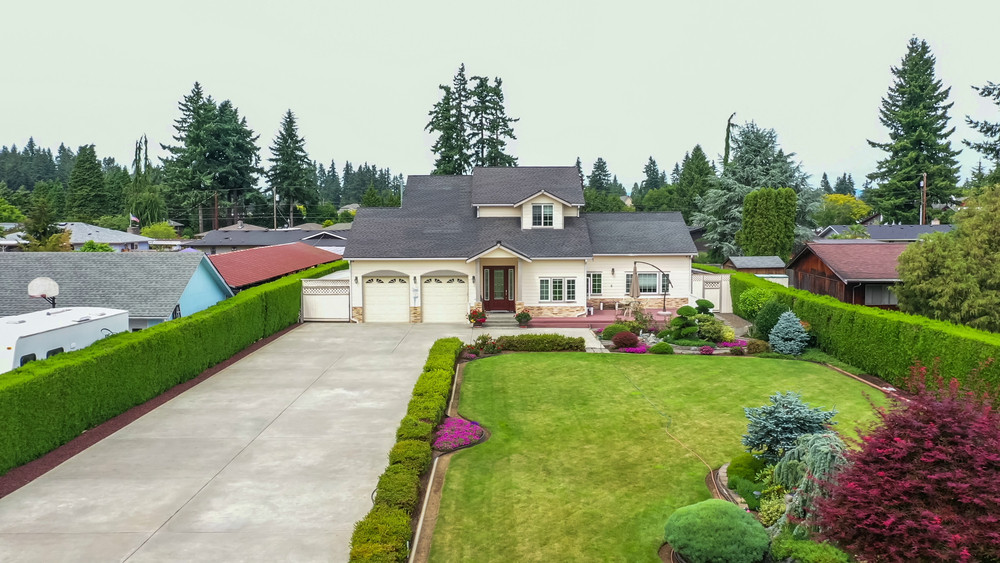
A home’s lifespan depends on more than routine cleaning and occasional repairs. Certain installations help protect the structure from weather, moisture, heavy use, and gradual wear that can shorten the life of major systems. While every property has different needs, homeowners can make smart upgrades that reduce long-term damage and support everyday function. From the roof overhead to the entry points and drainage systems around the house, the right improvements can help a home stay safer, stronger, and easier to maintain.
1. A Durable Roofing System
The roof is one of the most important protective features of any home. It shields the structure from rain, wind, sun exposure, falling debris, and temperature changes. When a roof begins to fail, moisture can enter the attic, damage insulation, stain ceilings, and eventually affect framing or interior finishes. Installing a durable roofing system can help prevent those problems before they become costly.
Material choice matters because some roofing products offer much longer service lives than others. According to Today’s Homeowner, metal roofs can last more than 50 years, and some may remain in service for over 80 years. For homeowners focused on longevity, a long-lasting roof can provide decades of protection while reducing how often major replacement is needed.
2. A Reliable Garage Door
A garage door does more than open and close. It helps secure the home, protect stored belongings, support curb appeal, and create a convenient access point for daily routines. A damaged or outdated garage door can expose the garage to weather, pests, and security concerns. If the garage is attached, those issues may also affect nearby living spaces.
According to Garage Living, 55% of homeowners use the garage door as their primary entrance into the home. Because it is used so frequently, the door, opener, tracks, springs, and weather seals should be dependable. Installing a properly fitted garage door can improve safety, reduce drafts, and help the garage function as a durable extension of the house.
3. Gutter Guards and Drainage Protection
Water is one of the biggest threats to a home’s long-term condition. When gutters clog, rainwater can spill over the sides, collect near the foundation, damage fascia boards, stain siding, and contribute to basement or crawl space moisture. Gutter guards help reduce debris buildup so water can move more consistently through the drainage system.
According to This Old House, about 70% of homeowners who installed gutter guards said their main reason was to prevent clogs or gutter flooding. That makes sense because clogged gutters can create problems far beyond the roofline. Installing gutter guards is not a substitute for all maintenance, but it can make the system easier to manage and help protect vulnerable areas from water damage.
4. Energy-Efficient Windows and Doors
Windows and exterior doors affect comfort, moisture control, security, and energy performance. Older units may allow drafts, condensation, water intrusion, or heat transfer that makes the home less comfortable and harder to maintain. Over time, failed seals, cracked frames, and poor insulation can contribute to interior damage and higher wear on heating and cooling equipment.
Installing updated windows and doors can strengthen the home’s outer envelope. Properly sealed units help keep conditioned air inside, reduce outdoor moisture exposure, and support more consistent indoor temperatures. They can also improve everyday usability by opening, closing, and locking more reliably. For longevity, the quality of installation is just as important as the product itself because gaps or poor sealing can lead to future damage.
Building Longevity Through Smart Upgrades
Protecting a home’s longevity means thinking beyond short-term appearance. A strong roof, reliable garage door, guarded gutter system, and efficient windows or doors all support the structure in different ways. These installations help defend against water, weather, repeated use, drafts, and preventable deterioration.
The best upgrades are selected with the home’s age, climate, layout, and existing problems in mind. Homeowners should evaluate which areas are most vulnerable and work with qualified professionals when installation affects safety, structure, or weather protection. With thoughtful planning, these improvements can help a home remain functional, comfortable, and resilient for many years.