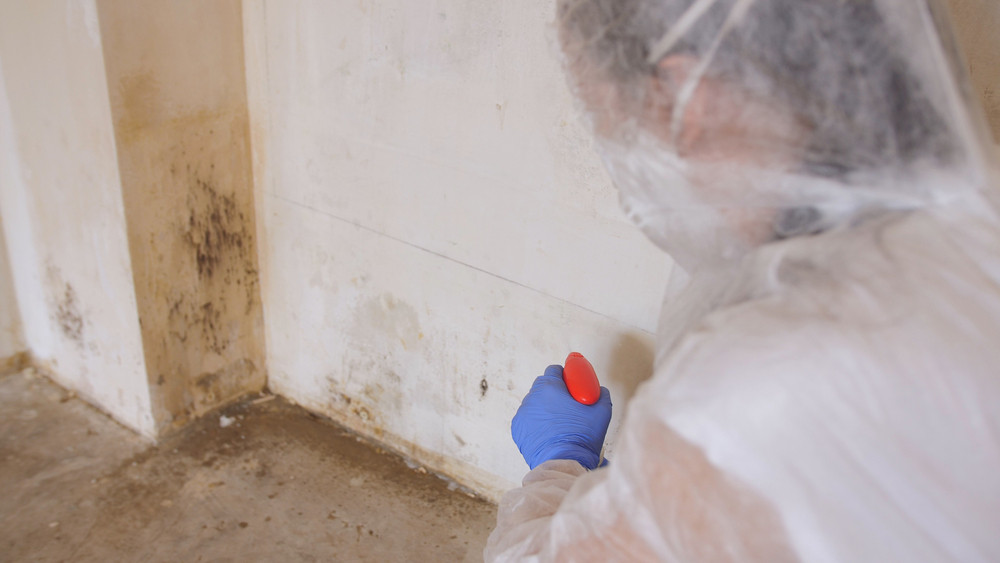
Many homeowners often overlook the silent intruder that creeps into their homes through various means — mold. Though it might seem harmless at a glance, mold can pose significant health risks and affect the integrity of your household. This article explores why mold growing in your household can be more dangerous than you might think.
Mold in Homes: A Widespread Issue
According to RubyHome, nearly 47% of residential homes in the United States grapple with mold issues. This shocking statistic highlights just how widespread the problem is, indicating that almost half of all homeowners may be at risk. Contributing factors include household dampness and inadequate ventilation, which create the perfect breeding ground for mold growth.
In most homes, hidden mold can be found thriving in unexpected places like bathrooms, basements, and around window areas. Its presence is not always visible but can manifest through a musty odor or signs of water damage. Long-term exposure to mold in homes has been associated with respiratory issues, making it crucial for homeowners to regularly inspect and address potential mold problems.
Homeowners should not underestimate the dangers that mold presents, not just to their home’s structure, but also to their family’s health. Prolonged exposure can lead to severe allergic reactions, irritations, and in some cases, chronic respiratory problems. Consequently, monitoring for moisture-induced growth is an important step in maintaining a healthy living environment.
Indoor Humidity and Mold Colonies
Increasing indoor humidity is one of the primary factors contributing to mold formation. According to Fixr, maintaining an indoor humidity level over 45% can foster conditions suitable for mold colonies to thrive. Humid climates or poorly ventilated rooms can exacerbate this problem, resulting in out-of-control mold infestations. Indoor humidity can rise due to everyday activities such as cooking, showering, or even drying clothes indoors without proper ventilation. Ensuring good air circulation through the use of vents, fans, and dehumidifiers can help keep humidity levels in check. By managing humidity levels, homeowners can significantly reduce the risk of mold taking hold in their living spaces.
Furthermore, homeowners are encouraged to monitor humidity levels by using hygrometers to ensure they stay within safe limits. Regularly inspecting common problem areas for moisture can help catch the early signs of mold formation. Implementing simple precautions can be a game-changer in protecting homes from the adverse effects of mold.
When to Seek Professional Help
When dealing with extensive mold presence, certain situations are best handled by specialists. This Old House strongly recommends seeking the help of a remediation service if mold covers an area larger than 10 square feet. Such levels of exposure can pose severe health risks, not just from the spores themselves, but also from improper handling during cleaning.
Professional remediation services are equipped with the knowledge and tools necessary to safely and effectively remove mold colonies. Attempting to clean large mold patches without proper expertise can spread spores, worsening the situation. Therefore, hiring professionals ensures that the mold is not only removed but that measures are taken to prevent recurrence. Homeowners should also consider collaborating with moisture control specialists who can identify and address the root causes of mold growth. Such preventive steps are essential for ensuring long-term mold management. Knowing when to bring in experts is a proactive approach to safeguarding both health and home investment.
Mold spots their surroundings is more than just a cosmetic issue. It warns of potentially harmful conditions that could escalate if left unchecked. Being proactive about mold prevention and control plays a crucial role in maintaining a safe home environment. By recognizing the common sources and signs of mold and knowing when to seek professional intervention, homeowners can protect their health and ensure their homes remain mold-free.