You hand your pet over for surgery and trust that every tool touching them is clean, safe, and ready. That trust matters, especially when choosing a veterinarian in Westerville. If you have ever wondered what happens to scalpels, forceps, retractors, and other instruments after one procedure ends and before the next begins, you are not overthinking it. You are asking the right question.
How veterinary clinics sterilize surgical instruments between pet procedures comes down to a strict process, not a quick wipe down. Instruments are cleaned, inspected, packaged, sterilized with approved methods, and stored in a way that keeps them sterile until use. When that chain breaks, infection risk goes up. When it is followed well, your pet benefits from a safer surgery and a smoother recovery.
Veterinary surgical instrument sterilization is a process, not a single step
People often picture sterilization as the moment instruments go into a machine. The machine matters, but it is only one part of the job. Blood, tissue, and dried debris can shield germs from heat or chemicals. If an instrument is not cleaned first, sterilization can fail even when the cycle itself runs correctly.
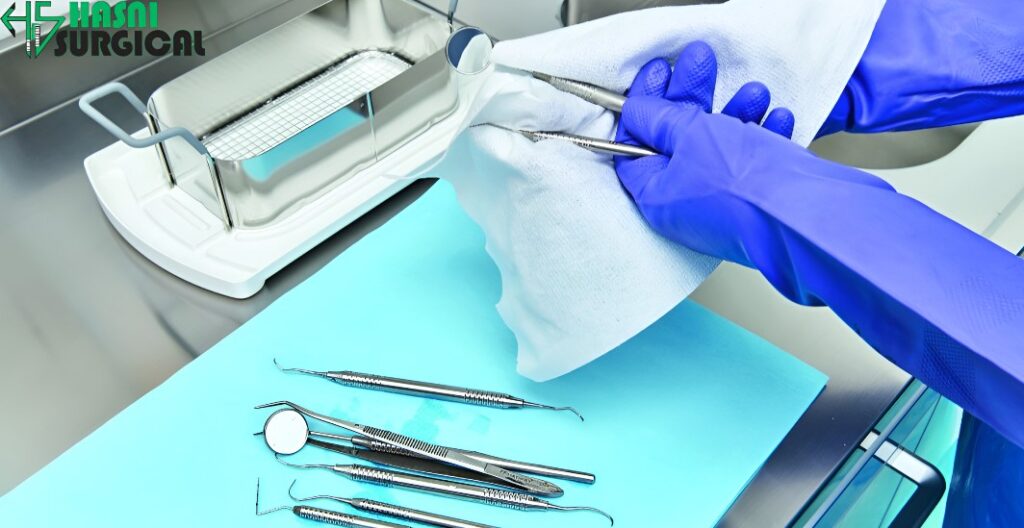
That is why clinics usually begin with decontamination. Instruments are sorted, soaked if needed, and cleaned by hand or with ultrasonic cleaners to remove material stuck in hinges, teeth, and joints. After cleaning, staff rinse and dry them, because leftover moisture or residue can interfere with the next step.
Then comes inspection. A clamp that does not close properly or scissors with a nicked edge are not just inconvenient. They can damage tissue, slow a procedure, and create avoidable risk. Clinics that take instrument care seriously check function before packaging and sterilizing.
This is the heart of sterile processing in veterinary clinics. It is careful, repetitive work, and that is exactly what you want.
Steam sterilization remains the standard for many veterinary clinics
For many reusable surgical instruments, steam sterilization in an autoclave is the go to method. The reason is simple. Steam under pressure reaches the temperatures needed to kill bacteria, viruses, fungi, and resistant spores when the load is prepared and cycled the right way. The CDC explains the basics of steam sterilization and autoclave performance, and the same core principles apply in veterinary settings.
That does not mean every item can be treated the same way. Some tools tolerate steam well. Others are damaged by high heat or moisture. A clinic may use other accepted methods for heat sensitive items, guided by manufacturer instructions and institutional standards. The University of Iowa outlines accepted sterilization methods that help show why method selection depends on the device, the material, and the intended use.
If you are picturing a rushed clinic turning over a surgery room in minutes, that is the concern underneath this topic. Fast turnover can sound efficient, but surgery safety depends on complete cycles, proper drying, and sterile storage. Cutting corners here is not efficiency. It is exposure.
Breaks in instrument reprocessing can raise infection risk
Most pet owners do not see the back room, so they judge safety by the lobby, the staff, or the discharge instructions. Those things matter, but instrument reprocessing is one of the quiet systems that protects your pet when no one is watching.
A few examples show why. If debris stays trapped in a box lock on forceps, steam may not contact every surface. If instruments are packaged too tightly, the sterilizing agent may not circulate well. If a sterile pack gets wet or torn in storage, it may no longer be sterile at all. If the clinic skips monitoring, staff may not know a load failed.
Veterinary facilities often use physical, chemical, and biologic monitoring to confirm sterilization conditions were met. The University of Alaska Fairbanks veterinary services guidance describes practical expectations for veterinary surgical preparation and instrument care, including sterile technique and handling. That kind of structure is what lowers risk across procedure after procedure.
Cleaned, disinfected, and sterilized do not mean the same thing
You will sometimes hear these words used loosely, and that can blur an issue that deserves clarity. Cleaning removes visible soil. Disinfection reduces many germs, depending on the level used. Sterilization destroys all forms of microbial life, including spores, when done correctly.
For surgical instruments that enter sterile tissue, sterilization is the standard. A disinfected instrument is not the same as a sterile instrument. That difference matters in every spay, dental extraction, mass removal, and orthopedic repair.
| Term | What It Does | Common Veterinary Use | Enough for Surgery? |
|---|---|---|---|
| Cleaning | Removes blood, tissue, and debris | First step before any further processing | No |
| Disinfection | Reduces many disease causing organisms | Tables, some equipment surfaces, noncritical items | No |
| Sterilization | Eliminates all microbial life when properly performed | Reusable surgical instruments and critical items | Yes |
Pet owners can ask direct questions about instrument sterilization
You do not need to interrogate the front desk or ask for a tour of the sterilization area. You can ask calm, plain questions and learn a lot from the answers. A solid clinic usually has no trouble explaining its process in simple terms.
Ask how instruments are sterilized. Listen for specifics. “We clean, package, and autoclave our surgical packs” tells you more than “everything is sanitized.” Clear language often reflects clear systems.
Ask whether the clinic monitors sterilization cycles. A good answer may mention indicator strips, biologic spore testing, load records, or routine equipment checks. You are not looking for buzzwords. You are looking for evidence that the process is verified, not assumed.
Ask how sterile packs are stored and handled. Even properly sterilized instruments can be compromised after the cycle ends. Storage conditions, package integrity, and handling all matter. This is especially relevant if your pet is having a planned procedure and you want to understand the clinic’s standard of care.
Veterinary instrument cleaning and sterilization supports better surgical outcomes
Veterinary instrument cleaning and sterilization is one of those systems that rarely gets attention when everything goes well. That is the point. You want it to be routine, controlled, and boring. The more consistent the process, the less your pet’s safety depends on luck.
When a veterinary clinic follows strong reprocessing steps between procedures, it reduces infection risk, protects tissue during surgery, and supports cleaner healing afterward. If you are choosing where to schedule a procedure, this is a fair issue to raise. Your pet cannot ask the question, so you do it for them.
Trust matters, and trust grows when a clinic can explain what it does and why it does it. If your pet has an upcoming procedure, contact the veterinary clinic and ask how they sterilize surgical instruments between patients. A careful answer tells you a lot about the care your pet will receive.