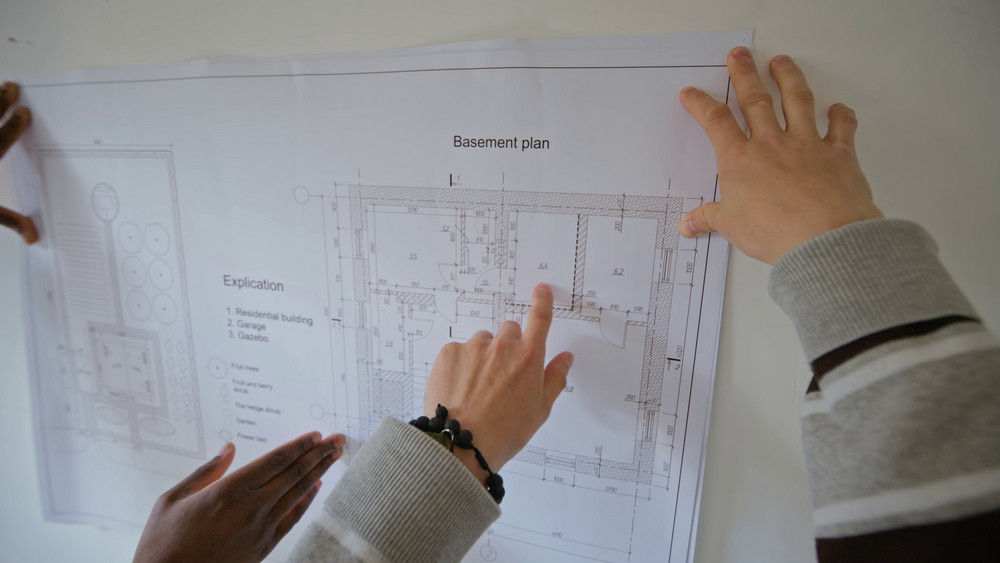
Basement water damage can begin with a problem that seems minor, such as a small crack, damp wall, or musty smell. Over time, moisture can affect building materials, encourage unwanted pests, and contribute to repairs that could have been avoided with earlier attention. Basement waterproofing can help homeowners address moisture concerns before they become more extensive and expensive problems.
Waterproofing Can Provide Long-Term Protection
A basement waterproofing system can create a more reliable barrier against moisture entering the home. Depending on the property and the source of the water, solutions may include interior drainage systems, sump pumps, exterior waterproofing, sealants, or a combination of approaches. The right system can help direct water away from vulnerable areas and reduce the likelihood that recurring moisture will damage walls, floors, insulation, or stored belongings.
The longevity of a waterproofing system is also an important consideration when homeowners are weighing the cost of preventive work. According to HomeGuide, properly installed quality basement waterproofing systems can remain effective for 10 to 30 years or longer. This means waterproofing may provide protection over an extended period rather than functioning as a short-term fix for a single moisture problem.
Preventive work can also make basement maintenance more predictable. Instead of repeatedly addressing signs of water intrusion after storms or periods of heavy precipitation, homeowners can take steps to manage moisture at its source. Regular inspections and maintenance can help identify worn components or developing issues so they can be addressed before they contribute to more significant damage.
Small Wall Cracks Can Let in Significant Water
Basement cracks should not automatically be dismissed as cosmetic issues, especially when they appear alongside dampness or other signs of water intrusion. Changes in soil conditions, hydrostatic pressure, settling, and weather can all contribute to moisture finding its way through vulnerable areas. Even when a crack appears narrow, water can still enter the basement when conditions outside create enough pressure.
According to Bob Vila, a crack in a basement wall can allow one to two inches of water into the space during a rainy season. That amount of water can quickly affect flooring, drywall, furniture, storage items, and other materials kept in a basement. Addressing cracks and other potential entry points early can help reduce the opportunity for repeated water intrusion and the damage associated with it.
Homeowners should pay attention to changes in their basement after periods of heavy rain. Water stains, peeling paint, damp odors, puddles, or visibly widening cracks can all indicate that moisture is getting into the space. Finding the source of the problem is an important step because simply cleaning up water after it enters the basement does not necessarily prevent the same issue from happening again.
Moisture Control Can Also Help Limit Pest Problems
Water management is not the only reason to pay attention to basement conditions. Basements that remain damp, poorly ventilated, or cluttered can create conditions that make the space more appealing to certain pests. Keeping the area dry, addressing leaks, improving drainage, and sealing potential entry points can all be part of a broader approach to maintaining a cleaner and more controlled environment.
Cockroaches illustrate why pest concerns can persist over very long periods of time. Cockroaches are among the oldest insect groups on Earth, with ancestors that date back more than 320 million years. Their long evolutionary history is a reminder that these insects have adapted to a wide range of environments, making basic moisture control and property maintenance important parts of reducing conditions that may attract them.
Basement maintenance can therefore involve more than responding to visible flooding. Homeowners can inspect plumbing connections, check drainage around the foundation, keep gutters and downspouts functioning properly, and look for gaps where pests or moisture could enter. Reducing excess moisture can support other maintenance efforts while helping homeowners identify developing problems earlier.
A proactive approach can also make future repairs easier to manage. When homeowners regularly check the basement for moisture, cracks, odors, and signs of pests, they have a better opportunity to address individual issues before several problems develop at once. Waterproofing should be viewed as one component of an overall maintenance strategy that protects the condition and usability of the basement.
Basement waterproofing can help homeowners manage moisture before it leads to more extensive damage. Addressing vulnerable areas, monitoring cracks, and maintaining proper drainage can reduce the conditions that contribute to costly repairs. With consistent attention to moisture control and general basement maintenance, homeowners can help preserve the space and catch potential problems earlier.