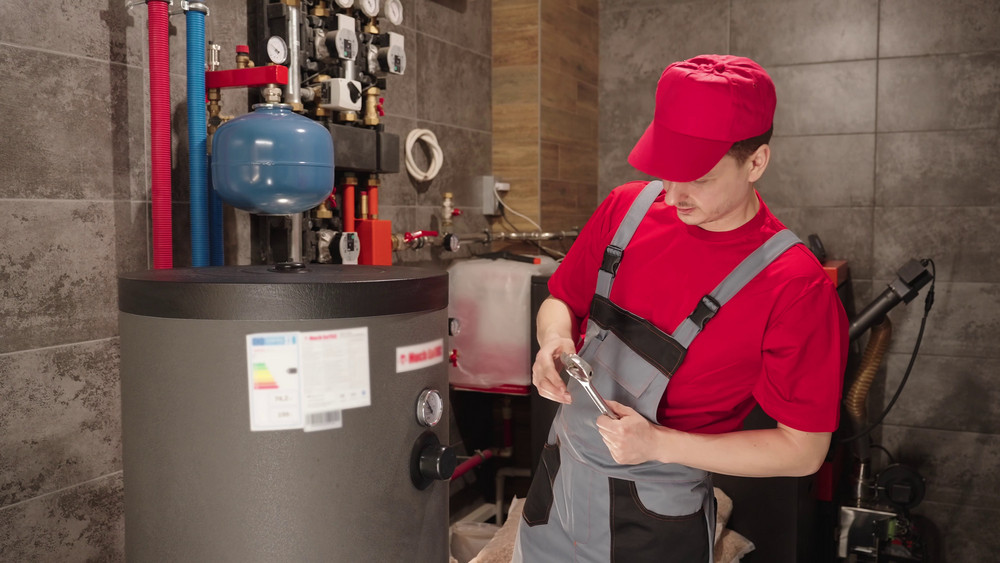
In today’s environmentally conscious world, homeowners are continually seeking ways to enhance the efficiency of their homes. One often-overlooked method is the installation of a water softener to combat the detrimental effects of hard water on home appliances, particularly water heaters. This article explores how adding a water softener can not only improve water heater performance but also prolong its lifecycle and reduce energy costs.
The Detrimental Effects of Hard Water
Water heaters are vital components in any household, yet they are profoundly affected by the quality of the water they heat. Hard water, characterized by high mineral content, can lead to a buildup of scale inside the heater, reducing efficiency and lifespan. According to the Water Quality Association, this corrosion can cause water heater efficiency to decrease by up to 48% over its lifetime.
When minerals and scale accumulate, the heating elements have to work harder to reach required temperatures, resulting in increased energy consumption. This unnecessary strain on the water heater not only leads to higher utility bills but also accelerates wear and tear. Over time, homeowners will notice that their water heating systems require more frequent maintenance and replacements.
Furthermore, hard water’s impact isn’t isolated to just the water heater; it affects an array of appliances and plumbing fixtures throughout the home. By addressing the root cause, homeowners can enhance the longevity of their entire system. A water softener effectively reduces mineral deposits, thus safeguarding the water heater and connected home utilities.
The Longevity Benefits of Water Softeners
Installing a water softener extends beyond enhancing water heater efficiency; it also contributes significantly to the maintenance and lifespan of the overall home water system. HomeGuide notes that, with proper maintenance, water wells can last between 30 and 50 years, with individual components having varying lifespans. Similar longevity can be achieved for water heating systems with the correct preventive measures in place.
By softening the water, the rate of mineral buildup in water pipes and heaters is drastically reduced, decreasing the frequency of necessary repairs and replacements. This longevity translates into cost savings and reduced environmental impact. Proactive maintenance through water softening helps sustain the optimal functioning of the water heater, reducing unexpected breakdowns.
Moreover, a water softener is a smart investment for homeowners planning long-term residence in their property. By elongating the efficient life of home appliances, it contributes to higher property values. Maintaining the efficacy of home systems directly reflects on their utility, making the home more appealing to future buyers.
Exploring the Efficiency Benefits
While only a quarter of American households currently utilize a water softener, per US Water Systems, integrating one can be a game-changer for energy conservation. Softened water ensures the water heater operates at its optimal capacity, reducing energy requirements and utility costs. This results in a lower carbon footprint, aligning with sustainable home improvement practices.
Energy savings from a water softener can be significant, given that water heaters are one of the biggest energy consumers in homes. An efficiently operating heater reduces the frequency of heating cycle initiations, producing hotter water quicker and with less energy expenditure. The direct consequence is considerable savings on electric or gas bills, month after month.
Homeowners are investing not only in water softening equipment but also in the overall efficiency and performance of their homes. The ripple effect of these savings extends to environmental conservation efforts, where reduced energy use equates to lesser resource depletion. Therefore, beyond personal financial benefits, water softeners contribute positively to broader ecological initiatives.
Incorporating a water softener into your home’s water system offers multiple advantages, from dramatically improving water heater efficiency to extending its service life. Given their numerous benefits, water softeners represent a wise investment for environmentally and financially conscious homeowners. By mitigating hard water issues, homeowners ensure their water heaters and connected systems operate at peak efficiency, contributing to a sustainable and cost-effective home.