If you’re a cat owner, you know the routine all too well: the daily scooping, the lingering odors that greet you when you walk through the door, and the constant worry about whether your litter box is clean enough to keep your feline companion healthy. Traditional litter boxes demand consistent attention, and even the most diligent pet parents can fall behind. Now imagine a solution that handles the dirty work for you while actively contributing to a cleaner, healthier living space. Smart litter boxes have emerged as a modern answer to one of pet ownership’s oldest challenges, but do they truly make a difference? These automated systems promise superior odor control, hands-free convenience, and even health monitoring capabilities that can detect potential issues before they become serious. In this article, we’ll explore what smart litter boxes are, how they benefit both your home environment and your cat’s wellbeing, what advanced features to look for, and how to choose the right one for your household.
What is a Smart Cat Litter Box? The Evolution of Pet Care
A smart litter box is an automated pet care device that goes far beyond the simple plastic tray you might be accustomed to. While traditional litter boxes require you to manually scoop waste at least once or twice daily, smart litter boxes use sensors, motors, and sophisticated mechanisms to detect when your cat has finished its business and automatically separate waste from clean litter. These devices represent a significant leap in pet care technology, combining mechanical engineering with digital connectivity to create a system that essentially manages itself. Many models now integrate with smartphone apps, offering real-time notifications and even health monitoring features that track your cat’s bathroom habits, weight fluctuations, and usage frequency. This data transforms a simple household item into a wellness tool, giving owners early warnings about potential urinary issues, digestive problems, or weight changes that might otherwise go unnoticed until a veterinary visit.
How Self-Cleaning Litter Boxes Automate Hygiene
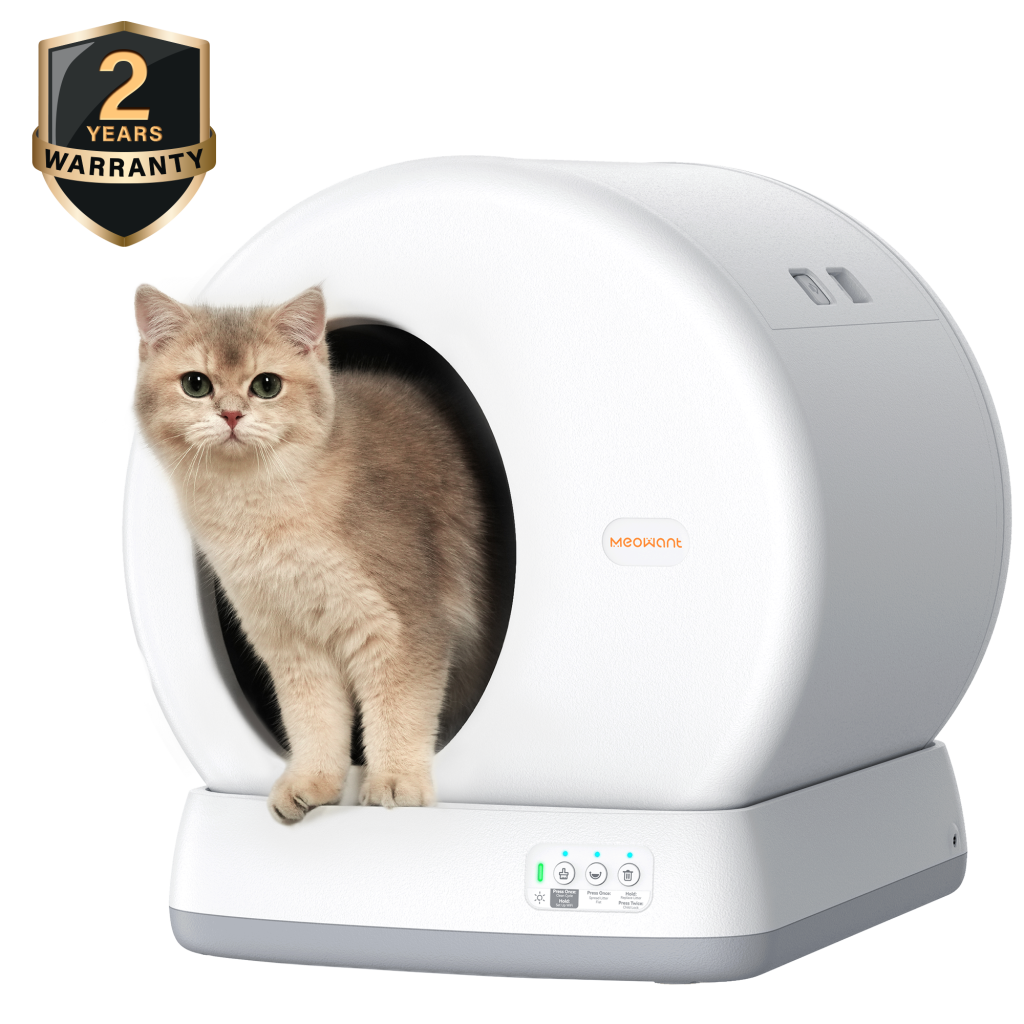
The self-cleaning process varies by design, but most smart litter boxes rely on one of several core mechanisms. Some use a rotating drum that sifts clumped waste through a screen and deposits it into a sealed compartment below. Others employ a raking system that sweeps across the litter bed after each use, pushing clumps into a covered waste drawer. More advanced models use gravity-based sifting, where the entire litter platform shifts to separate clean granules from soiled material. Sensors detect when a cat enters and exits, triggering a timed delay before the cleaning cycle begins to ensure your pet is safely away. This automation eliminates the need for daily scooping, keeping the litter surface consistently fresh and reducing the bacterial buildup that occurs when waste sits exposed for hours.
Key Benefits: Why Smart Litter Boxes Transform Home and Cat Health
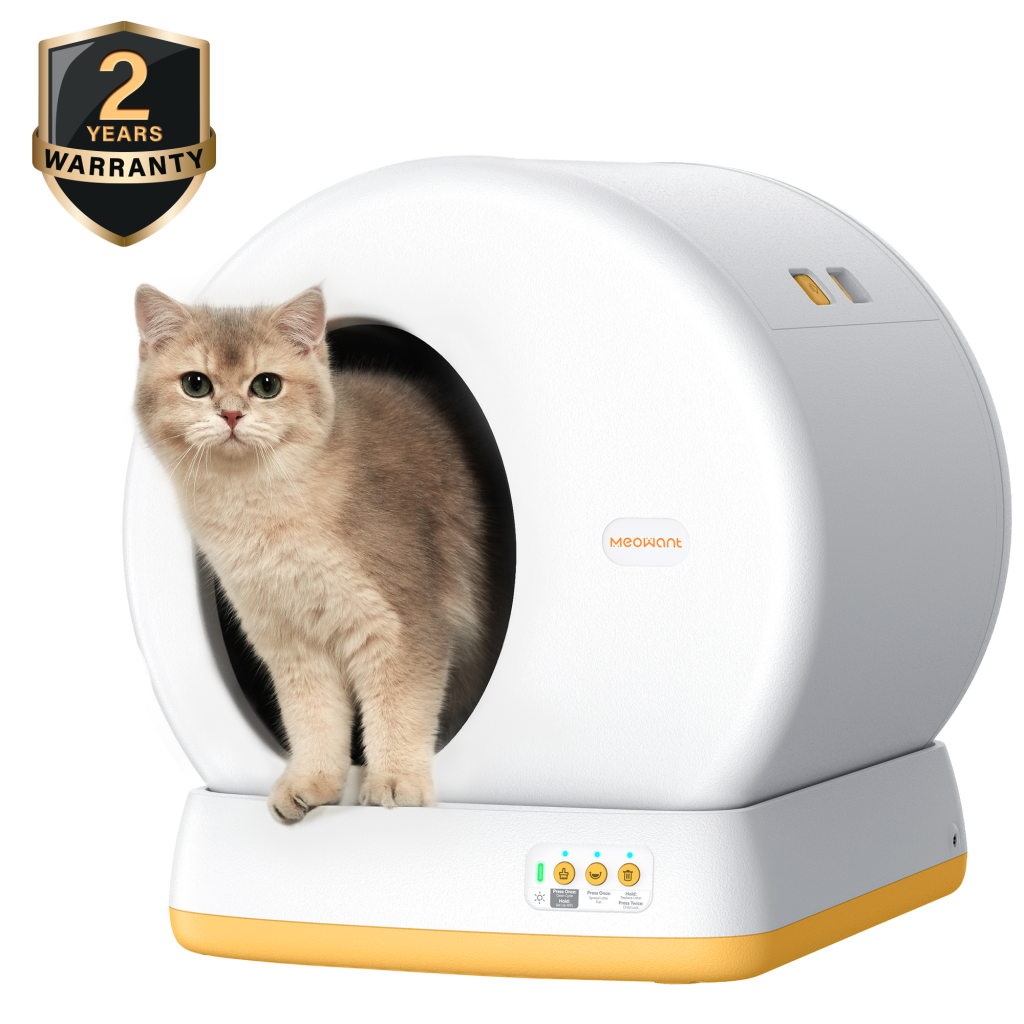
The appeal of a smart litter box extends well beyond the novelty of automation. For cat owners who prioritize both a clean living environment and their pet’s wellbeing, these devices address two persistent pain points simultaneously: the unpleasant odors that permeate a home and the time-consuming maintenance that traditional boxes demand. When waste is removed promptly and sealed away, the air quality in your home improves measurably. Ammonia levels drop, bacterial growth is minimized, and the overall hygiene of your living space elevates in ways that benefit everyone under your roof, including allergy-sensitive family members. For the cat itself, a consistently clean litter surface encourages regular use, which is critical because cats that avoid dirty boxes may develop harmful elimination habits or even hold their urine, increasing the risk of urinary tract infections and bladder issues.
Effective Odor Control for a Fresher, Healthier Home
Traditional litter boxes rely on the absorbent properties of litter alone to manage smell, but once that litter becomes saturated, odors escape freely into your home. Smart litter boxes tackle this problem at multiple levels. Immediately after your cat exits, the cleaning cycle activates and deposits waste into a sealed compartment, often lined with carbon filters or odor-trapping liners that neutralize gases before they can disperse. Some models feature fully enclosed waste drawers with rubber gaskets that create an airtight seal, essentially locking odors away until you’re ready to dispose of the contents. This multi-barrier approach means your living room, bedroom, or wherever you place the box no longer carries that telltale cat smell. For households in smaller apartments where ventilation is limited, this technology makes a particularly dramatic difference, transforming what was once a constant source of embarrassment into a non-issue.
Convenient Cleaning Options for Busy Lifestyles
Between work schedules, family obligations, and the general pace of modern life, remembering to scoop a litter box twice daily can easily slip through the cracks. Smart litter boxes remove this task from your mental load entirely. The waste compartment in most models holds several days’ worth of deposits, and many units send smartphone notifications when it’s time to empty the drawer, eliminating guesswork. Some systems even track litter levels and remind you when to add fresh material. The actual maintenance, when it does come, typically involves pulling out a lined drawer, tying off the bag, and replacing it in under a minute. This streamlined process means you spend seconds per week on what used to consume minutes every single day, freeing up time and mental energy for more meaningful interactions with your cat rather than cleaning up after them.
Advanced Features: Health Monitoring for Cats via Smart Technology
Beyond keeping the litter box clean, some of the most compelling smart litter box features revolve around health monitoring capabilities that turn routine bathroom visits into valuable wellness data. Advanced models weigh your cat each time it steps inside, tracking fluctuations over days and weeks that might signal fluid retention, weight loss from illness, or overeating. Usage frequency sensors log how often your cat visits the box, which is particularly useful for detecting early signs of urinary tract infections, kidney disease, or diabetes—conditions where increased or decreased urination is often the first subtle symptom. Some systems even analyze the duration of each visit and can distinguish between multiple cats in the same household, assigning health data to individual profiles through weight recognition or microchip readers. All of this information syncs to companion apps that present trends in clear visual formats, allowing you to share concrete data with your veterinarian rather than relying on vague observations. This proactive approach to health monitoring means potential issues surface weeks or even months earlier than they would through traditional observation alone, giving you and your vet a significant head start on treatment when it matters most.
Choosing the Right Self-Cleaning Litter Box: A Practical Guide
With numerous smart litter boxes on the market from brands like Meowant and others, selecting the right one requires careful consideration of your specific household dynamics, your cat’s temperament, and your practical constraints. Size matters significantly—not just the footprint the unit occupies in your home, but the interior space available for your cat. Larger breeds need roomier interiors to feel comfortable turning around and digging, and a cramped experience will likely drive your cat back to a traditional box. Noise level is another critical factor that many buyers overlook until after purchase. Some cleaning mechanisms produce sounds that startle noise-sensitive cats, so look for models that advertise quiet operation or delayed cleaning cycles that activate well after your cat has left the area. You should also evaluate the type of litter each system requires, since some units only work with specific clumping formulas or proprietary granules, which affects your ongoing costs and flexibility. Finally, consider how the unit fits into your connected home—app quality, notification reliability, and whether the health tracking features genuinely suit your needs or simply add complexity you won’t use.
Step-by-Step: How to Select and Implement Your Smart Litter Box Solution
Start by measuring the space where you plan to place the unit, accounting for adequate clearance around the entrance so your cat doesn’t feel cornered. Next, assess your cat’s weight and personality: timid cats may need open-top designs rather than enclosed pods, while multi-cat households should prioritize models with individual cat recognition and higher waste capacity. Read owner reviews from people with similar setups to yours rather than relying solely on manufacturer claims. Once you’ve chosen a model, introduce it gradually by placing it near the existing litter box and allowing your cat to explore without pressure for several days. Keep the old box available during this transition period and place a small amount of used litter in the new unit to provide familiar scent cues. After your cat begins using the smart box consistently, remove the traditional one. For ongoing maintenance, establish a weekly routine of wiping down sensors, checking waste drawer seals, and inspecting the litter bed depth. Common pitfalls include placing the box in high-traffic areas that discourage use, neglecting firmware updates that improve sensor accuracy, and overfilling the litter bed beyond recommended levels, which can jam cleaning mechanisms. Avoiding these mistakes ensures your investment delivers the long-term hygiene and convenience benefits you purchased it for.
Addressing Common Concerns and Maximizing Your Smart Litter Box Experience
The most frequent hesitation among cat owners considering a smart litter box is the upfront investment, which admittedly exceeds what you’d spend on a traditional tray. However, when you factor in reduced litter waste through efficient sifting, fewer emergency vet visits thanks to early health detection, and the hours reclaimed from daily scooping, the long-term value often justifies the initial cost. Cat adaptation is another legitimate concern—some felines resist change, particularly older cats set in their routines. The key is patience: keep both boxes available simultaneously for up to two weeks, and never force your cat into the new unit. Most cats transition naturally once curiosity takes over and they discover the consistently clean surface. Technical glitches, while uncommon in quality models, do occur. Sensors can misread if litter levels are too low, and mechanical parts may need occasional cleaning to prevent jamming. Keeping firmware updated and following the manufacturer’s maintenance schedule prevents most issues before they arise. If your cat seems startled by the cleaning cycle, adjust the delay timer so the mechanism activates later, giving your pet more distance from the sound. With these practical adjustments, the vast majority of owners find that their smart litter box quickly becomes an indispensable part of maintaining a fresher, healthier home that both they and their cats genuinely benefit from.
A Smarter Path to a Cleaner Home and Healthier Cat
Smart litter boxes represent more than just a technological upgrade—they fundamentally change the relationship between cat owners and one of pet care’s least enjoyable responsibilities. By automating waste removal and sealing odors away through multi-layered filtration, these devices deliver noticeably fresher air quality that benefits every member of your household. The convenience factor alone transforms daily scooping into a brief weekly task, giving busy owners back valuable time while ensuring their cats always have access to a clean surface. Perhaps most importantly, the health monitoring capabilities built into advanced models provide an early warning system that can detect urinary issues, weight changes, and behavioral shifts long before they become visible problems, potentially saving both heartache and veterinary costs down the road. A smart litter box won’t replace regular vet checkups or quality nutrition, but it fills a critical gap in everyday wellness monitoring that traditional boxes simply cannot offer. If you’ve been on the fence about making the switch, consider what a consistently clean, odor-free home and proactive health insights could mean for both you and your cat. The investment pays dividends in comfort, health, and peace of mind that extend far beyond the litter box itself.