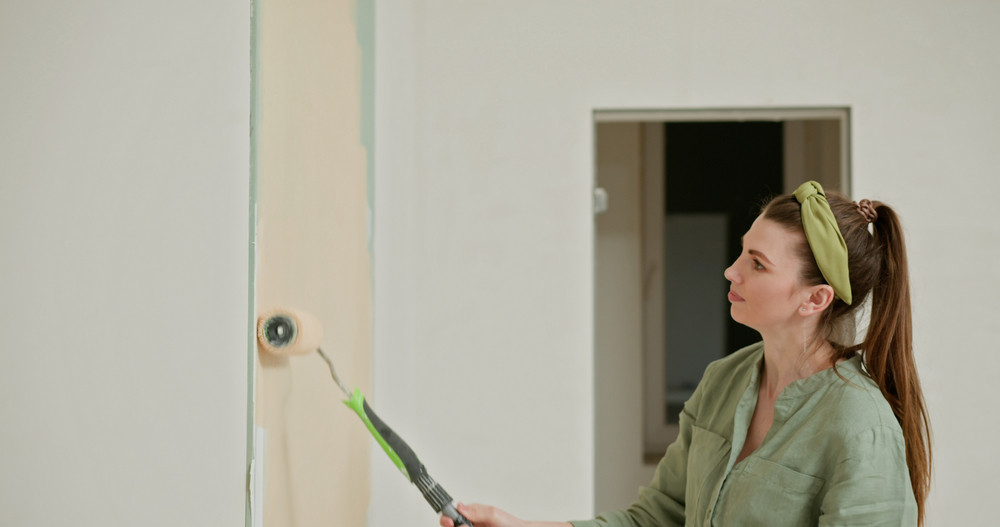
When people think about improving their home, they often imagine major renovations like kitchen remodels or new flooring. However, one of the most impactful upgrades is also one of the simplest: paint. Whether it’s the exterior curb appeal or a refreshed interior space, paint has the power to change not only how a home looks, but also how it feels and even how it performs in the real estate market. Beyond aesthetics, paint influences emotional well-being, long-term maintenance habits, and perceived property value. In fact, small color and maintenance decisions can create measurable differences in both financial return and day-to-day enjoyment of a home. The following insights highlight how something as straightforward as paint can have surprisingly powerful effects.
Exterior Paint and Its Impact on Home Value
A fresh exterior paint job can do more than make a home look newer—it can directly influence its market value. According to Revive Real Estate, a high-quality exterior paint job can increase a home’s value by between 2 and 5%, depending on factors such as paint quality, color selection, and the overall condition of the property. This means that something as relatively cost-effective as repainting can deliver a meaningful return on investment when it comes time to sell. Curb appeal plays a major role in first impressions, and exterior paint is often the first thing potential buyers notice. A clean, modern color palette can signal that a home has been well cared for, while faded or peeling paint can suggest neglect. Because of this, exterior painting is often considered one of the most efficient ways to enhance both perceived and actual home value without undertaking large-scale renovations.
How Often You Should Repaint Your Home
Maintaining paint isn’t just about aesthetics—it’s also about protecting your home over time. According to Better Homes and Gardens, homeowners should aim to repaint their houses every five to ten years to maintain both appearance and structural protection. This timeframe can vary depending on climate conditions, surface materials, and the quality of the original paint job. Regular repainting helps prevent issues such as moisture damage, cracking, and fading, which can worsen if left untreated. In addition to preserving the exterior and interior surfaces, staying on a repainting schedule also ensures that your home continues to feel fresh and updated. Over time, paint naturally wears down, and colors that once felt modern can begin to look dated. By following a consistent repainting cycle, homeowners can maintain a balance between upkeep, style, and long-term durability, ultimately protecting their investment while keeping their living environment visually appealing.
The Emotional Benefits of Painting Interior Spaces
Beyond financial and maintenance advantages, paint also has a significant impact on how people feel in their homes. According to House Grail, 88% of people report a stronger desire to spend time at home after painting an interior room. This highlights the psychological influence that color and freshness can have on everyday living. A newly painted room often feels cleaner, brighter, and more personalized, which can improve mood and increase comfort levels within the space. Color choices can also affect emotional responses, with certain tones creating calming environments while others promote energy and focus. Even a simple refresh of a single room can shift how the entire home is experienced. This emotional connection is an important factor in overall satisfaction, especially for people who spend significant time at home for work, relaxation, or family life.
Paint is one of the few home improvements that delivers benefits across multiple dimensions at once. It enhances property value, helps maintain structural integrity through regular upkeep, and improves emotional well-being within living spaces. Whether refreshing a single room or updating an entire exterior, the effects extend far beyond appearance. A well-planned paint project can make a home more enjoyable to live in today while also increasing its appeal for the future. Ultimately, paint proves that small, intentional changes can create meaningful transformations in both value and quality of life.