Key Takeaways
- Thorough assessment and patient education are essential for the successful placement of dental implants.
- Modern techniques utilize advanced imaging, precision surgery, and durable materials to achieve optimal outcomes.
- Consistent aftercare and mindful oral habits are essential to maintaining implants for years to come.
Table of Contents
- Initial Consultation
- Treatment Planning
- Implant Placement
- Healing and Osseointegration
- Abutment Placement
- Crown Placement
- Aftercare and Maintenance
- Benefits of Modern Dental Implants
Achieving a confident, radiant smile has become significantly easier and more predictable thanks to modern dental implant technology. Whether replacing a single tooth or undergoing a complete smile restoration, the process is grounded in innovation, precision, and patient comfort. Individuals in the Tulsa area can explore transformative implant options with Dental Implants Tulsa, OK, to regain a functional and beautiful smile.
Understanding the implant process is crucial to setting realistic expectations and alleviating concerns. Modern dental implants do far more than fill gaps—they restore confidence, health, and day-to-day function, blending seamlessly with natural teeth in both appearance and strength.
Leveraging technologies such as 3D imaging, AI-driven planning, and advanced biocompatible materials, today’s dental implants offer unparalleled outcomes for patients of all backgrounds. The multi-step journey to your best smile encompasses careful planning and long-term care, supported by the latest research and industry practices.
These new approaches deliver impressive results and empower patients with lasting solutions for dental health issues. The following guide outlines each phase of the dental implant journey, from your initial appointment to the final unveiling of your restored smile.
Initial Consultation
Every successful dental implant begins with a comprehensive initial consultation. During this visit, your dentist evaluates your oral and general health, discusses your goals, reviews your dental history, and outlines expected outcomes. This step typically includes an oral examination and may require advanced imaging to determine bone density and jaw health. Open dialogue ensures that each patient’s needs and concerns are addressed promptly and effectively throughout the process. According to the Mayo Clinic, a thorough assessment helps doctors determine candidacy and forecast treatment complexity.
Treatment Planning
If you are a good candidate, a personalized treatment plan will be crafted using digital tools. This process often uses 3D imaging and computer-aided design to map out anatomical structures and determine optimal implant position and size. Such planning minimizes surgical risk and enhances overall success. Through careful timing, sequencing, and the integration of a patient’s medical history, you and your provider can create a clear path toward lasting results. This planning phase reduces uncertainty, making the entire journey less stressful and more predictable for patients.
Implant Placement
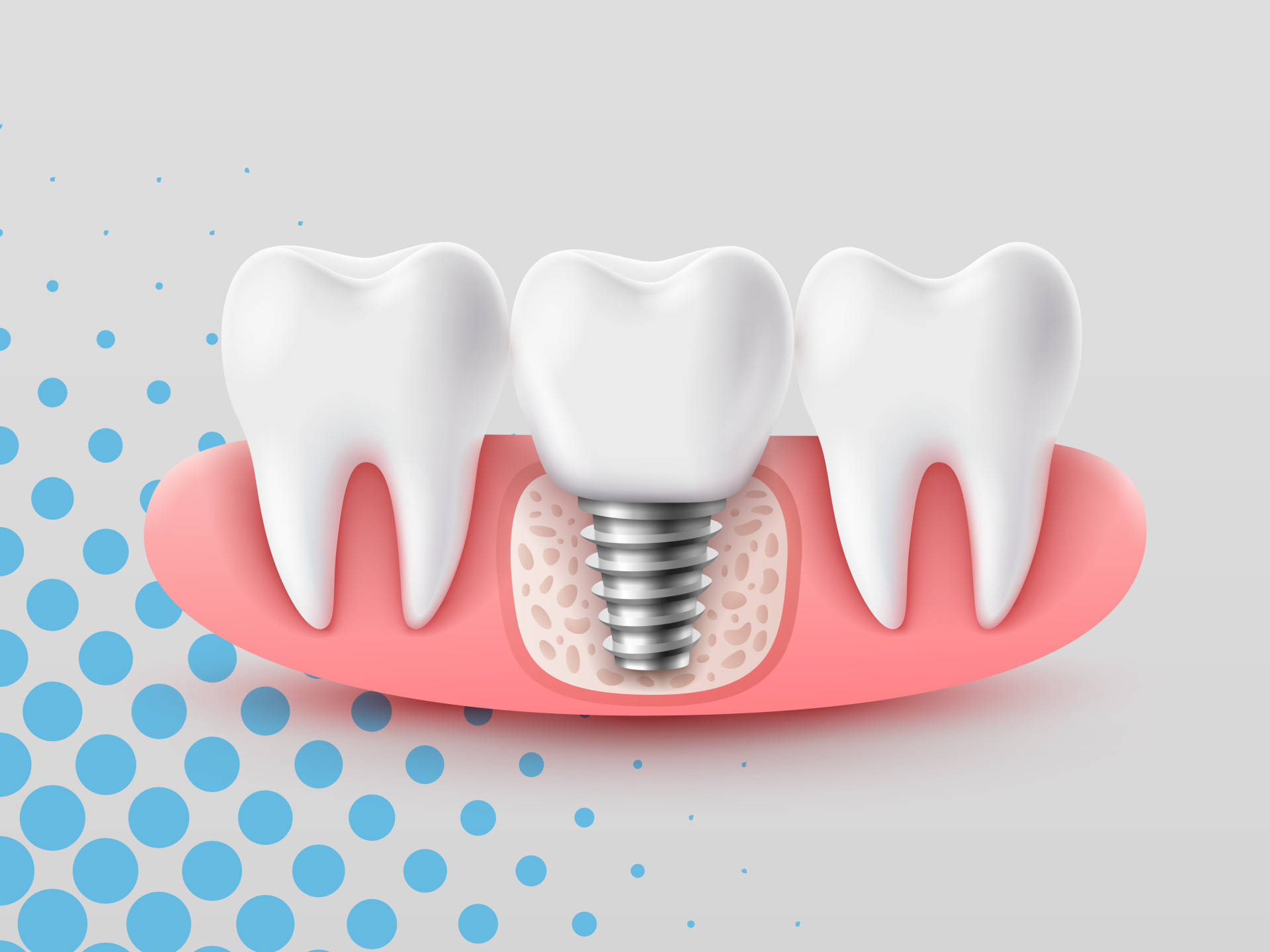
The surgical portion involves placing a titanium post (implant fixture) in the jawbone beneath the gum tissue. This procedure is typically quick and performed under local anesthesia or sedation. With the support of digital guides, minimally invasive techniques reduce discomfort and accelerate recovery time. The use of biocompatible materials ensures that the titanium post integrates safely with your bone tissue. During the placement, utmost precision is exercised to guarantee not only stability but also optimal aesthetics for the eventual crown.
Healing and Osseointegration
After placement, healing begins. The body’s natural process of osseointegration, where bone grows around and fuses with the implant, typically takes several months. This integration is critical for long-term implant stability. Throughout this period, patients may receive temporary restorations or specific guidance to manage discomfort and support healing. Adhering strictly to post-operative care instructions significantly impacts the overall outcome and reduces the risk of implant failure. Resources from Healthline highlight best practices in optimizing this healing phase.
Abutment Placement
Following successful osseointegration, the next step is to expose the implant and attach the abutment—a small connector that securely anchors the crown or restoration. This procedure is minimally invasive and often carried out under local anesthesia. The abutment acts as the intermediary between the underlying titanium post and the visible dental crown, ensuring both strength and stability while allowing the surrounding gum tissue to shape naturally around the new tooth.
Crown Placement
The final touch is achieved through the custom fabrication and placement of your dental crown. Dentists use digital scans to match the color, size, and shape of natural teeth, creating artificial teeth that blend seamlessly with your smile. The crown is securely fastened to the abutment, completing the restoration. This step restores not only the appearance but also the full function of your missing tooth, allowing you to chew, speak, and smile with confidence.
Aftercare and Maintenance
Long-term implant success relies heavily on proper aftercare. Implant patients should maintain diligent oral hygiene, including regular brushing, flossing, and the use of antimicrobial rinses if recommended. Routine dental checkups and professional cleanings are also critical. Patients are advised to avoid harmful habits such as smoking or biting complex objects, which could jeopardize implant integrity. With careful maintenance, implants can last decades, providing continuous comfort and functionality.
Benefits of Modern Dental Implants
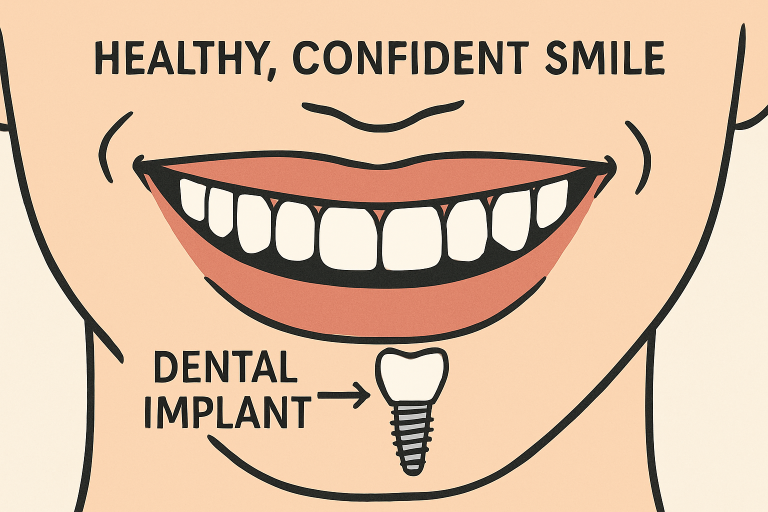
The benefits of today’s dental implants go far beyond aesthetics. Implants preserve natural bone, prevent facial collapse, and provide a stable foundation for replacement teeth. They can dramatically improve speech, chewing ability, nutrition, and self-image. Unlike dentures, implants function just like natural teeth, requiring no special adhesives or removal. Patients report greater confidence and a willingness to engage in social or professional situations without anxiety over their appearance.
If you’re exploring tooth replacement options and want reliable information, the American Dental Association’s resource on dental implants offers additional details on safety, materials, and ongoing innovations in the field.